 Front
The furnace clicks on for the first time
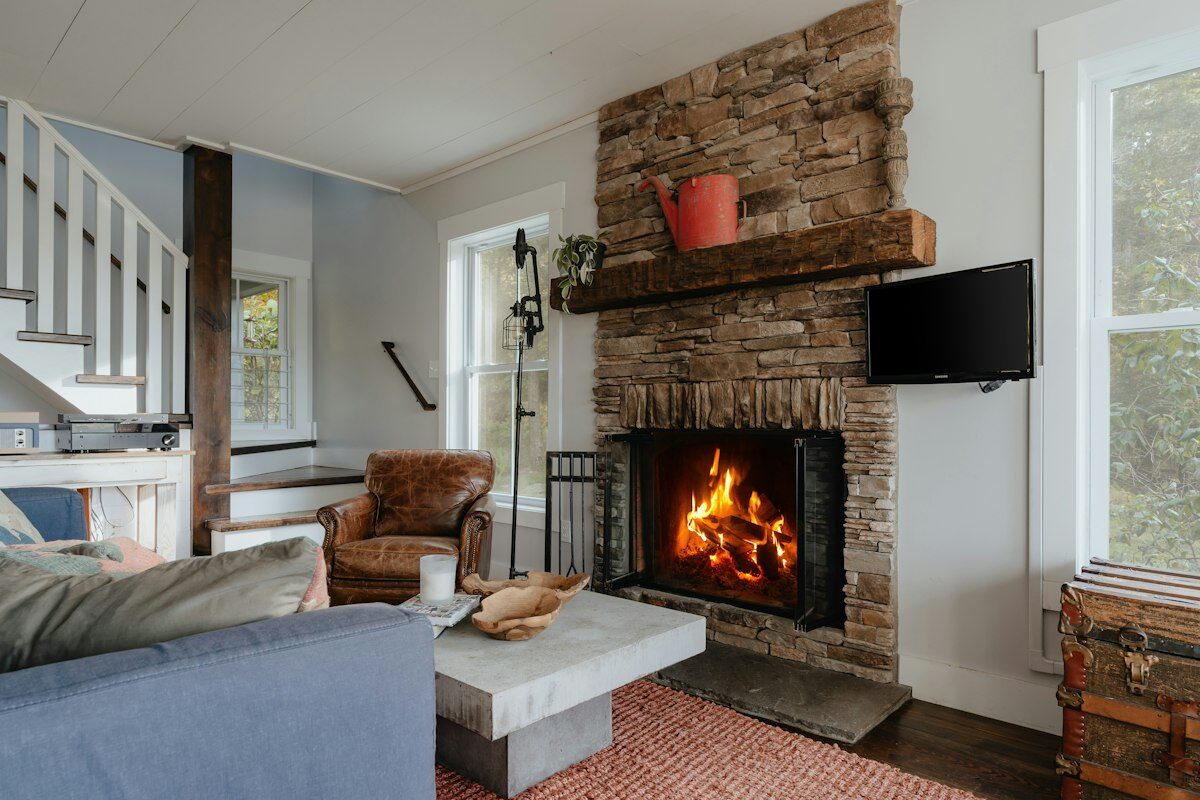
Nobody tells you that your furnace has a personality until you've lived with it through a cold snap. Ours announces itself with a low mechanical groan before the actual heat arrives, a few seconds of a house bracing itself, and the first time it happened, in early November, I stood in the hallway half-convinced something was wrong. It wasn't. It was just an older unit introducing itself, the way every system in a house you didn't build eventually does, usually at the moment you least expect it.
We'd walked through this house four times before closing, always in September, always with the windows open and the light doing the place every favor. Not once did anyone mention how it sounds, or feels, in January. That's not an oversight on anyone's part. It's just not a question that occurs to you until you're the one standing in the hallway at 11 p.m., listening.
Learning which rooms get cold, and why
Every house, it turns out, has a temperature map that has nothing to do with the thermostat setting. Our back bedroom, the one that gets the best afternoon light in summer, is the coldest room in the house by five degrees come winter, something to do with the exterior wall facing northwest into the prevailing wind, and a window that, we'd eventually learn, was reglazed decades ago with a seal that's given up.
The kitchen, oddly, runs warm no matter what, helped along by an oven that gets used most evenings and a wall it shares with the furnace closet. None of this was information anyone could have given us at closing. It's the kind of thing you only learn by being cold in specific rooms at specific times, enough times, that a pattern starts to form.
The strange quiet of snow on a street you don't know yet
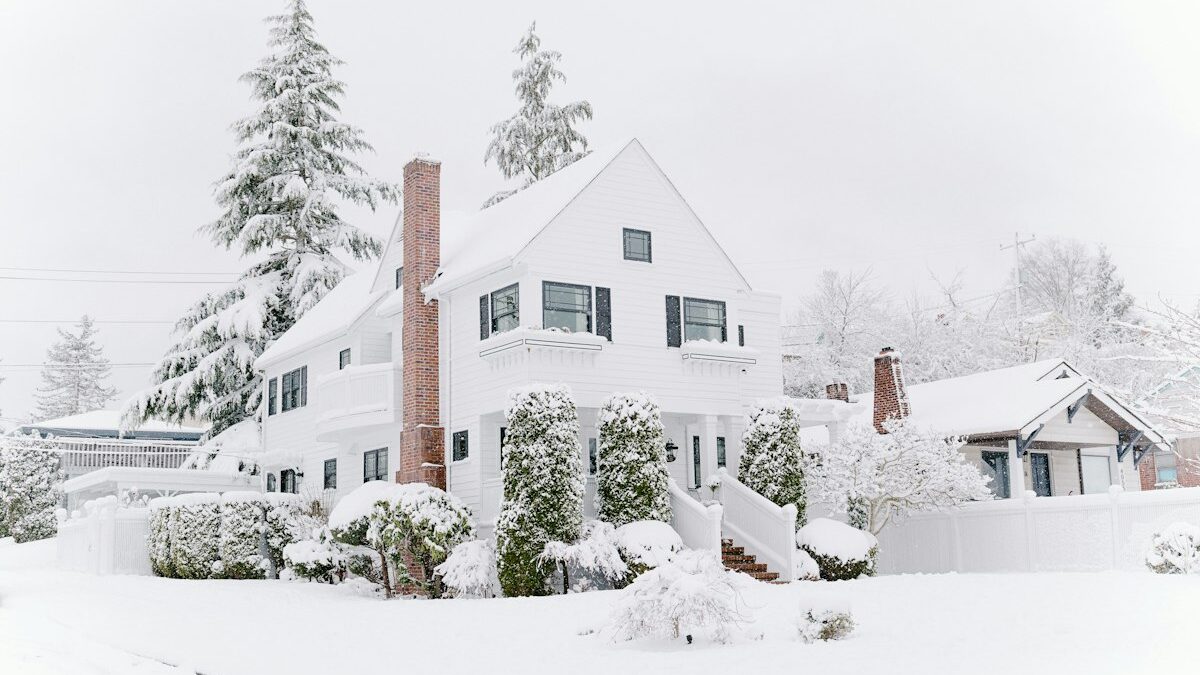
There's a particular kind of quiet that comes with the first real snowfall in a new neighborhood, different from the quiet of snow somewhere familiar. You don't yet know which neighbor plows their own walk at 6 a.m., or whether the street gets salted by the city or left to pack down into ice by noon. You find out by watching, the first time, a little anxious about all of it, and then, by the second or third snow, you've absorbed the rhythm without really trying. The cul-de-sac two streets over, I noticed, always gets cleared before ours. I still don't know why, exactly. It's just one of a hundred small facts a neighborhood eventually hands you, if you're paying attention.
There's also a version of this that happens at night specifically. The street light at the corner buzzes faintly in the cold in a way it never seemed to in warmer months, or maybe I just never stood outside long enough to notice before. Snow muffles everything else enough that the small sounds, a car two streets away, someone's dog, carry further and land stranger. By the third week I'd stopped noticing the buzz entirely, which is its own kind of answer to the question of when a new place starts to feel less new.
A short list of things nobody mentions
- Which window actually lets in a draft you can feel from six feet away.
- How loud the house sounds when the heat kicks on at 3 a.m., versus how invisible that sound becomes by week three.
- That the mail carrier has opinions about your unshoveled walk, expressed only through the placement of your mail.
- How much a space heater in one bad room changes your entire relationship with winter.
- That the first real storm will teach you more about your house's weak points than the inspection report did.
The first big storm
Ours came in late January, nine inches over about fourteen hours, and it was the first time the house asked something real of us: find the snow shovel we'd bought but never used, figure out where the previous owners kept the ice melt (we never did find it, and bought our own), and discover, the hard way, that the mudroom door swells slightly in cold, wet weather and needs a firm shoulder to close all the way. Small, specific, entirely unremarkable facts, and also exactly the kind of thing that turns a house you purchased into a house you've actually lived in.
What the cold teaches you about a house you don't know yet
By the end of that first winter, the house had told us more about itself than the inspection, the disclosures, or the four showings combined, not through anything dramatic, just through accumulation. Which window to weatherstrip before the next cold stretch. Which room to warn houseguests about. Which late-night sound is the furnace being the furnace, and not a problem at all. None of it was in any paperwork. All of it, eventually, is how a house stops being the one you bought and starts being the one you live in.
By the time the first warm week arrived in March, almost reluctantly, we'd stopped thinking of ourselves as new here at all. The house had stopped surprising us, mostly, and started simply being the place we lived, drafts and groaning furnace and all. I don't think that shift happens on a single day. It happens somewhere in the accumulation of a hundred small, cold, unremarkable evenings, and you only notice it's happened once it's already behind you.