 Front
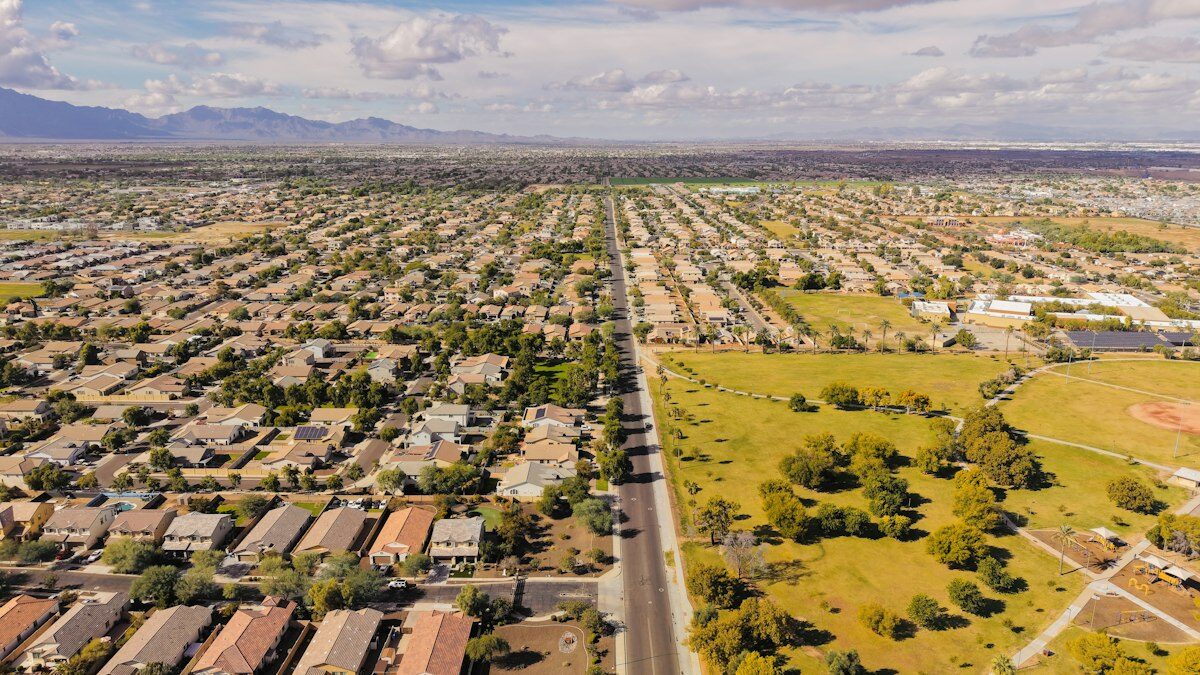
Older than suburbia: the cul-de-sac's deep roots
The term itself is French for "bottom of the bag," and dead-end streets this shape describes are far older than the American suburb. Medieval European towns are full of them, mostly by accident of organic growth rather than design, alleys that simply stopped because a wall, a river, or someone's property line got in the way. The deliberate, engineered cul-de-sac as we know it today, curved, bulbous at the end, built specifically to keep through-traffic out of a residential pocket, is a twentieth-century American invention, and a surprisingly well-documented one.
Radburn, New Jersey and the planning idea behind it
Most historians point to Radburn, New Jersey, begun in 1929, as the first large-scale American development to use the cul-de-sac as a deliberate planning tool rather than an accident of geography. Planners Clarence Stein and Henry Wright designed Radburn around the idea of separating car traffic from pedestrian life entirely: houses faced inward onto shared green space and footpaths, while cars were relegated to short cul-de-sacs branching off a larger road, a layout they called the "Radburn idea." The Depression cut Radburn's ambitions short before it was fully built out, but the core concept, quiet, car-light residential pockets, outlived the project itself and became a reference point for planners for decades.
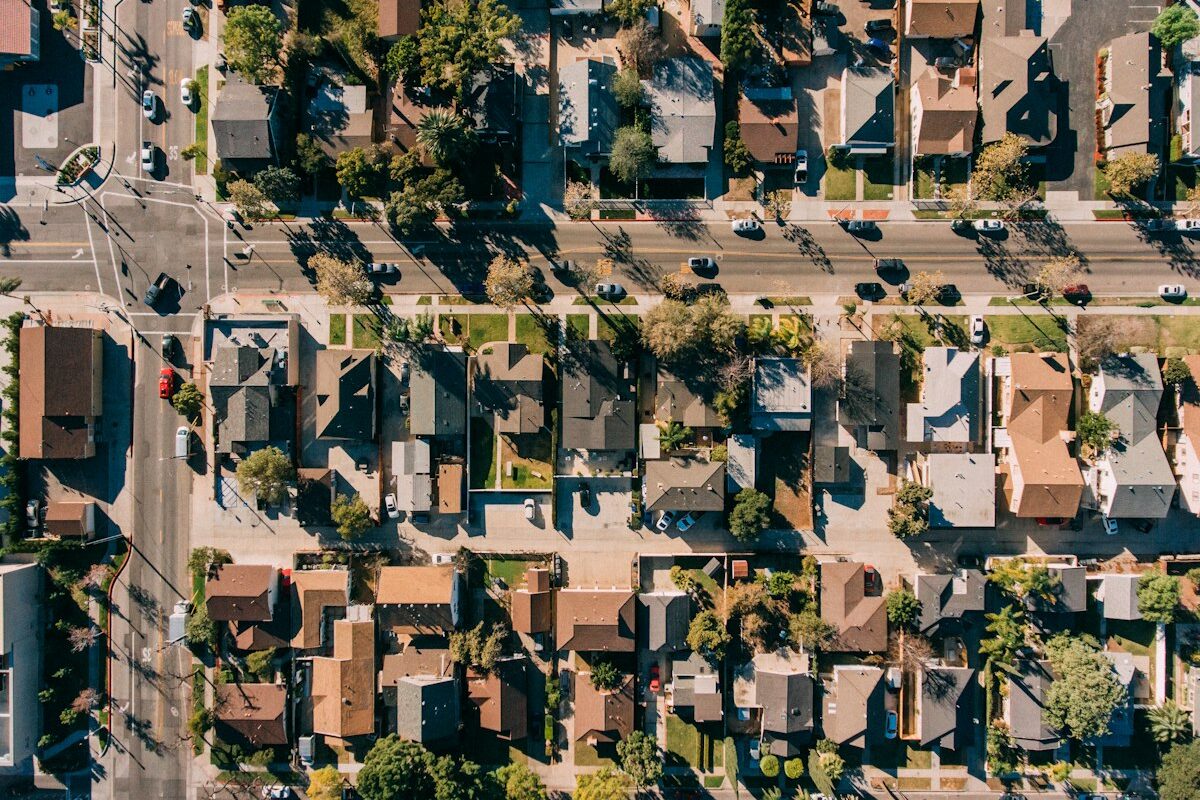
The postwar boom and the cul-de-sac's golden age
The idea got a major push from an unlikely source: the Federal Housing Administration. A 1936 FHA planning guide explicitly recommended curvilinear streets and cul-de-sacs over the traditional rectangular grid, arguing they reduced through-traffic, lowered construction costs by requiring less pavement per lot in some configurations, and created a more marketable, "private" feeling for homebuyers. Because FHA guidance effectively shaped what kind of development could get federally backed financing, this single recommendation nudged decades of postwar suburban construction toward the winding, dead-end street patterns that now define entire regions built between the 1950s and 1970s.
What the cul-de-sac was engineered to prevent
The appeal, consistently, was about what it kept out rather than what it offered. A cul-de-sac guarantees there's no reason for anyone without business on that specific street to ever drive down it, which in practice means:
- Lower traffic speeds and volume than a through street, since there's no cut-through route.
- A shared, semi-private turnaround space that often functions as informal gathering space for kids and neighbors.
- A layout that's genuinely harder for an outsider to navigate without local knowledge, a mild but real deterrent effect some planners and residents valued.
- A quieter sound profile, since there's no reason for delivery trucks, commuters, or anyone passing through to use the street as a shortcut.
Postwar marketing leaned on this heavily. Developer brochures from the 1950s and '60s regularly used words like "secluded" and "exclusive" to describe cul-de-sac lots, even in otherwise modest subdivisions, and real estate listings today still echo that same language almost word for word. The pitch has barely changed in seventy years, which is itself a small piece of evidence for how durable the appeal turned out to be.
The backlash: traffic engineers turn against it
By the 1990s and 2000s, the same profession that had championed the cul-de-sac started raising concerns about it. Critics, including many New Urbanist planners, pointed out that disconnected street networks force virtually all local trips onto a handful of collector roads, concentrating traffic rather than distributing it the way a connected grid does. Emergency response times can suffer too: a single blocked entrance can cut off an entire pocket of homes, something fire departments in cul-de-sac-heavy suburbs have flagged for decades. Several cities, including Austin, Texas and Charlotte, North Carolina, adopted connectivity requirements in their development codes specifically to limit new cul-de-sac-only subdivisions.
Why it's still being built today, quietly
Despite the planning profession's cooler attitude, cul-de-sacs haven't disappeared from new construction, and in some regions they remain common. Buyer demand is a big part of why: cul-de-sac lots routinely command a price premium in resale data, driven by lower traffic, better perceived safety for kids, and a sense of privacy that a through street simply can't offer. Developers, responding to that demand, often still include at least a handful of cul-de-sac pockets even within an otherwise more connected modern subdivision, a compromise between what traffic engineers want and what a lot of buyers are still willing to pay more for.
Some newer developments have tried to split the difference architecturally: a cul-de-sac for cars, paired with a pedestrian and bike connection straight through to the next street or a park, so emergency vehicles and walkers aren't boxed in the way a fully dead-end design leaves them, while drivers still get the quiet, low-traffic pocket they're often paying extra for. It's a tacit admission that the original 1929 Radburn idea, separating people from cars rather than simply dead-ending the street, was closer to the right answer than the car-only cul-de-sac that eventually became the more common, cheaper version to build.
A near-century after Radburn broke ground, the cul-de-sac is still, in a small way, a live argument between two reasonable goals: the efficiency and connectivity a planner wants for a whole city, and the quiet, contained pocket an individual homeowner wants for their own street. Neither side has fully won, which is probably why the shape keeps showing up, in slightly different forms, in nearly every decade's new subdivisions.